 Skip to main content


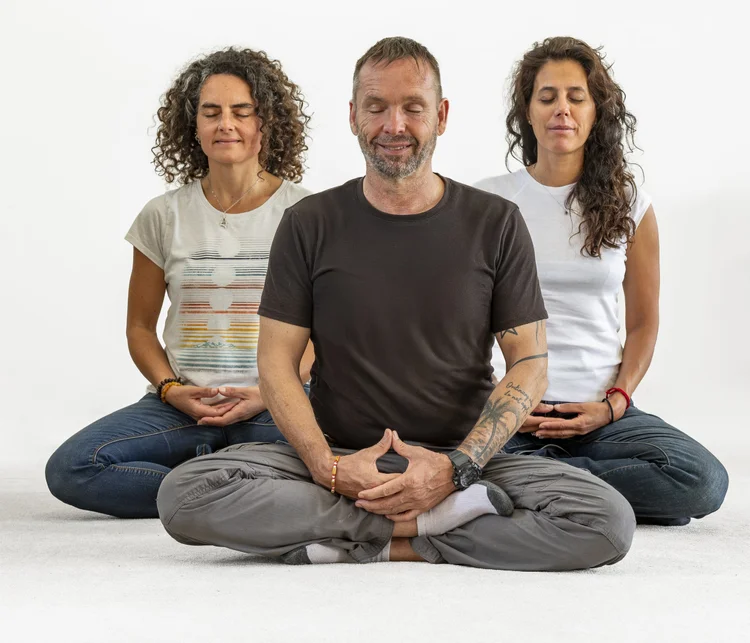

In this retreat, Kadampa Buddhist teachers Ann Gerhardt and Nancy Fox will introduce the basic Buddhist understanding of karma. Making the best decisions for future happiness and freedom from suffering depends on understanding the relationship between intentional actions and the karmic effects of those actions.
Generally, karma means “action.” From nonvirtuous actions comes suffering, and from virtuous actions comes happiness: If people believe this, they believe in karma.
Meditation is a virtuous mental action that is the main cause of experiencing mental peace in the future. Whenever people practice meditation, whether or not their meditation is clear, they are performing a virtuous mental action that is a cause of future happiness and peace of mind. People are normally concerned mainly about bodily and verbal actions, but in reality, mental actions are more important. Bodily and verbal actions depend on mental action — on mentally making a decision.
“The purpose of understanding and believing in karma is to prevent future suffering and to establish the basic foundation for the path to liberation and enlightenment.” — Geshe Kelsang Gyatso, “Modern Buddhism”
