 Skip to main content
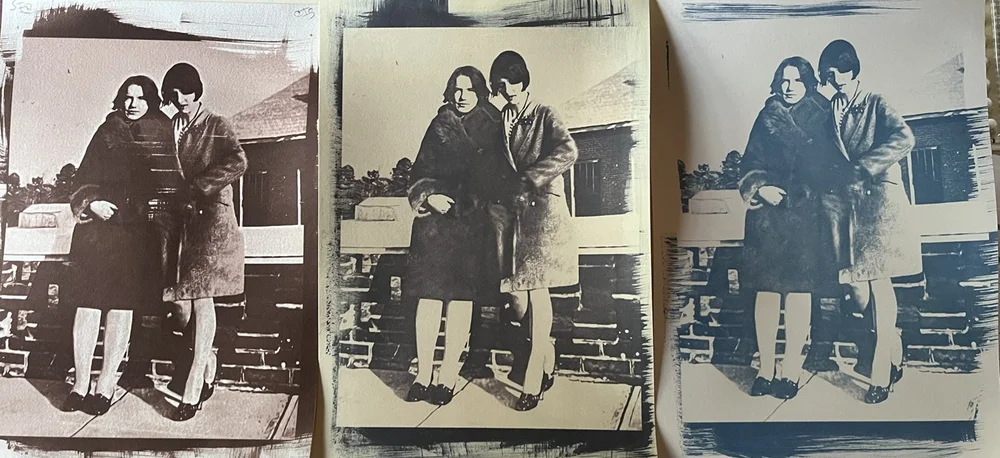

The virtues of contact printing are many. Because participants do the coating themselves, they can choose from a variety of sublime fine art papers and even cloth. They can use digital or analog negatives, along with found objects like lace, plant life and more. They can use sunlight or a UV exposure unit. Contact printing opens doors to an array of historic processes.
In this half-day workshop, students work with the oft-underappreciated Van Dyke Brown (VDB) and the celebrated Cyanotype.
VDB is a three-part process that results in rich sepia tones, with levers to adjust the contrast and color temperature. Cyanotype, less nimble and more expressionistic, is renowned for its arresting Prussian blue. Participants will walk away having learned about chemistry, how to coat paper, employ UV exposure, make contact prints and finish with archival practices.
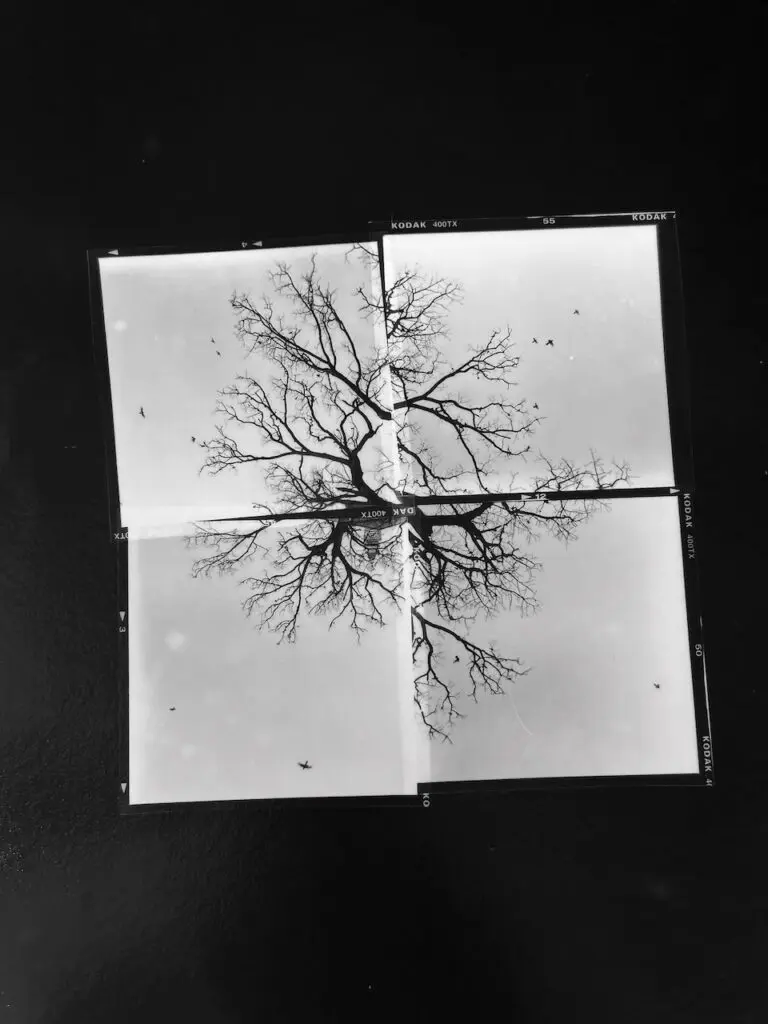
PREPARATION: Participants should bring their black-and-white analog or digital negative(s), no larger than 5-by-7. Those who would like to have their negative digitally printed can select “ADD ON: Digital Negative” at checkout and send a link to their digital file (TIFF, 300 dpi, 5-by-7 maximum). Participants are welcome to bring extra paper (unbuffered, 100% cotton) and/or semitransparent objects for photograms as well — dried plants, lace, you name it. Participants should also bring a snack or drink for lunch.
No prior darkroom experience is required. Parental consent is required for children younger than 18 (minimum age is 15). The minimum age for the class is 15; however, an adult may bring a child younger than 15 as a partner who will not count toward minimum enrollment, for a $50 fee.
